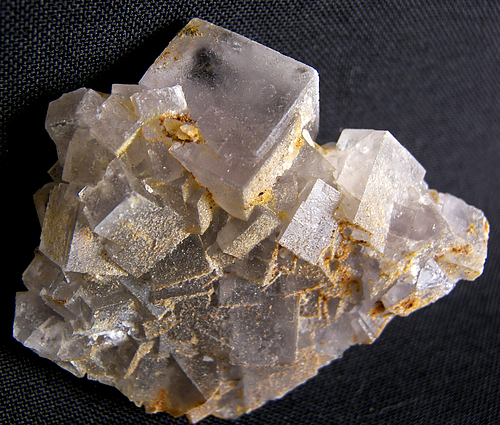
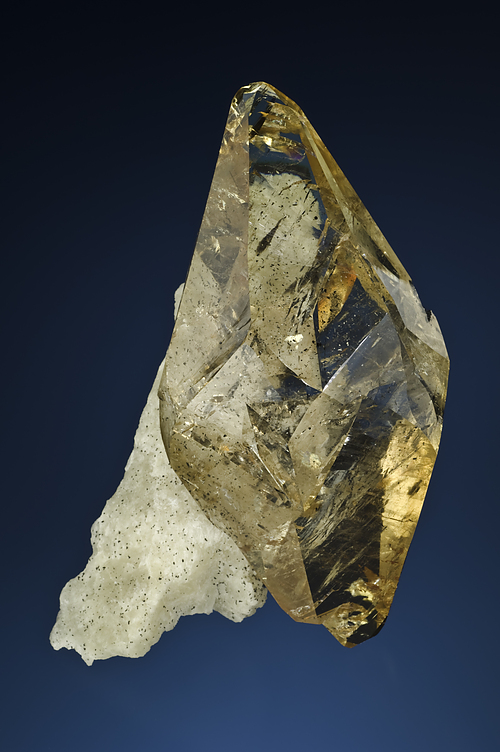
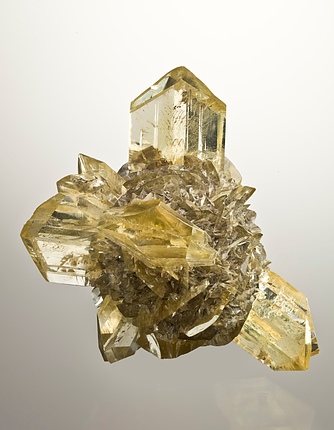
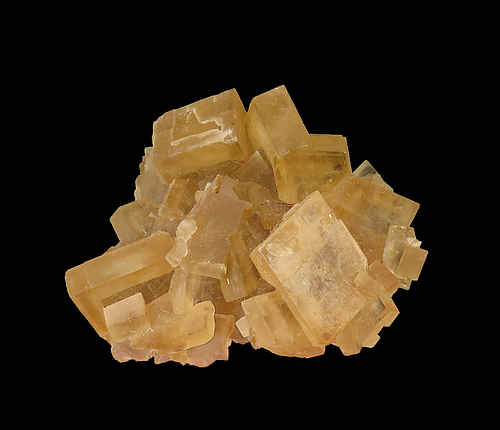
Mineralogy by Dave Van Dieren

Mineralogy is the study of minerals: chemical composition, crystal structure and physical properties.

Descriptive Mineralogy: Classification by Chemical Composition

There are two systems of mineral classification by chemical composition, Dana and Strunz. They are both similar and for an introduction I will use the following simplified classification. The Strunz system is used by the IMA (International Mineralogical Association) whereas the Dana system is an older, historical classification.

Minerals are primarily categorized into distinct classes based on their dominant anion or chemical group:

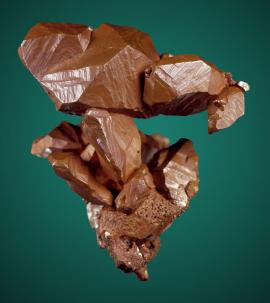
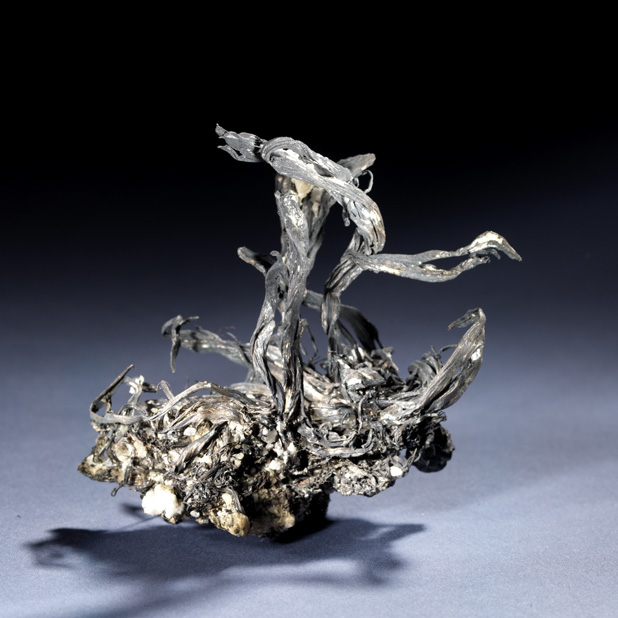
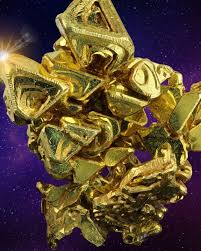
  1. Native Elements: Minerals made of a single, uncombined element (Gold, Copper, Silver, Carbon,…).
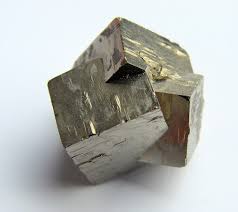
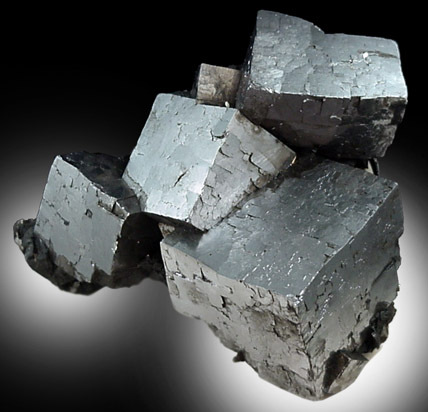
  2. Sulfides: Minerals containing sulfur combined with a metal (Pyrite, Galena, Sphalerite).
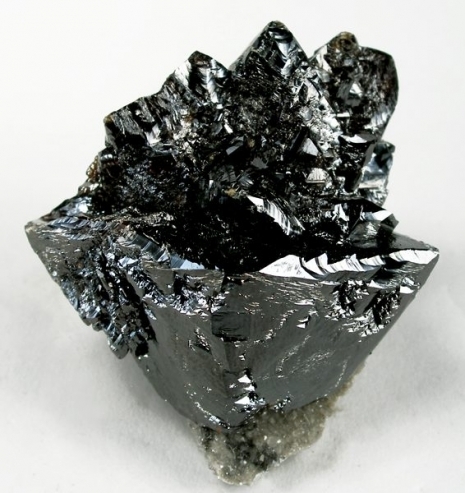
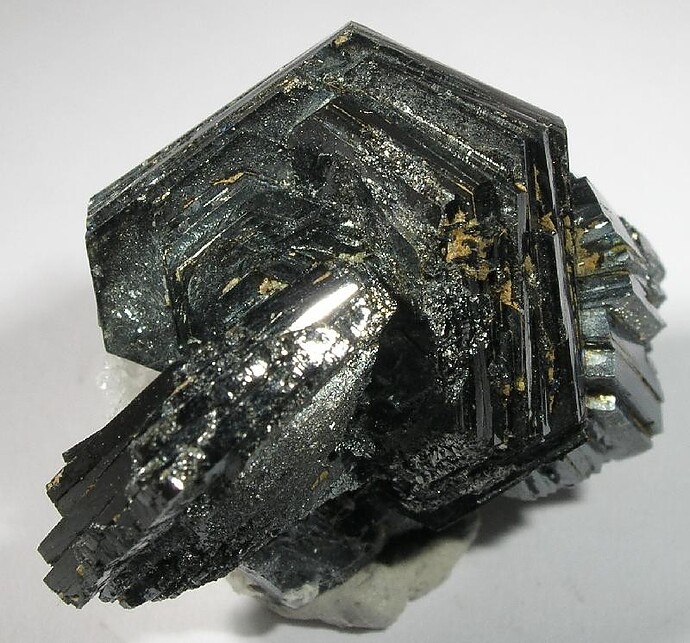
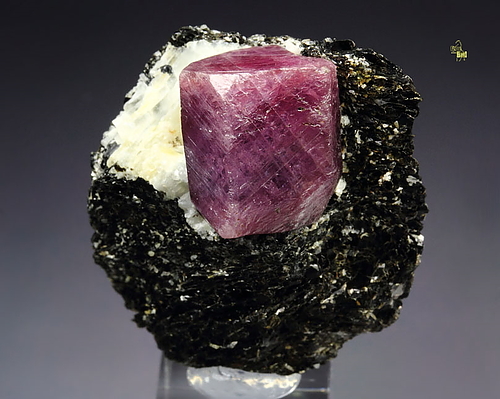
  3. Oxides and Hydroxides: Minerals where metals are combined with oxygen or the hydroxyl (OH) group (Hematite, Corundum).
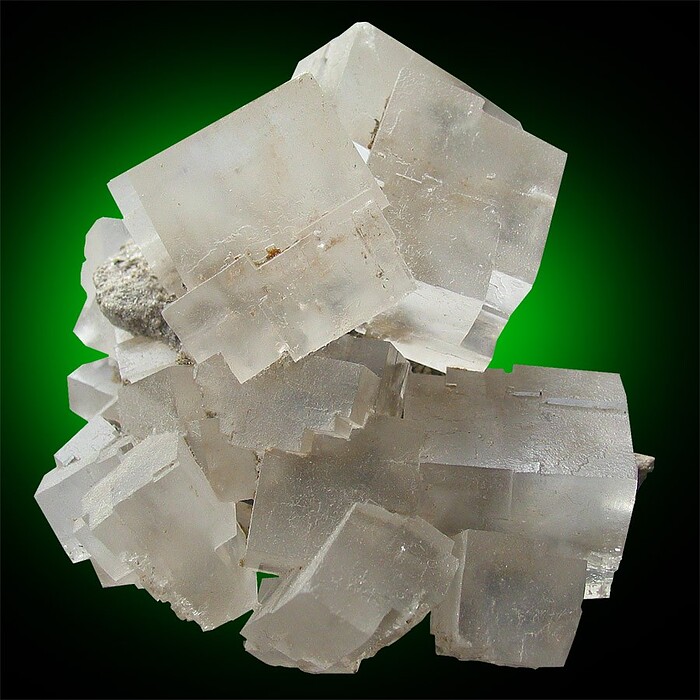
  4. Halides: Minerals featuring halogen elements like fluorine, chlorine, iodine, or bromine bonded to metals (Halite (Salt), Fluorite).
  5. Carbonates, Nitrates, and Borates: Minerals featuring anionic complexes of carbonate (CO3), nitrate (NO3), or borate (BO3), (Calcite).
  6. Sulfates, Chromates, Molybdates, and Tungstates: Minerals containing the sulfate (SO4) ion and similar heavy oxyanion structures (Gypsum, Barite).
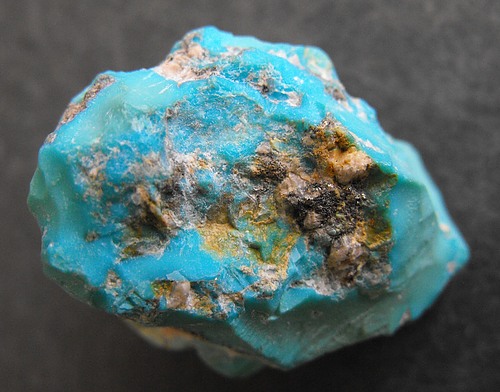
  7. Phosphates, Arsenates, and Vanadates: Minerals containing complex phosphate (PO4), arsenate (As4), or vanadate (VO4) groups (Apatite, Turquoise).
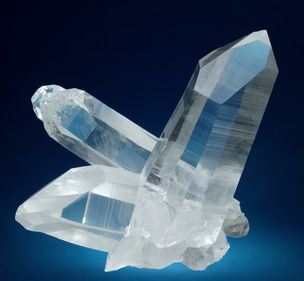
  8. Silicates: The largest class, grouped by the arrangement of their silica tetrahedra (Quartz, Olivine).

Silicates are then broken down into subclasses depending on how the silica tetrahedra (silicon atom in the middle of 4 oxygen atoms) are arranged.

  1. Nesosilicates (Isolated/Island Silicates)
    • Structure: Tetrahedra are entirely separate and do not share any oxygen atoms. They are held together by positively charged interstitial cations like iron, magnesium, and calcium.
    • Ratio: 1:4 (SiO4)
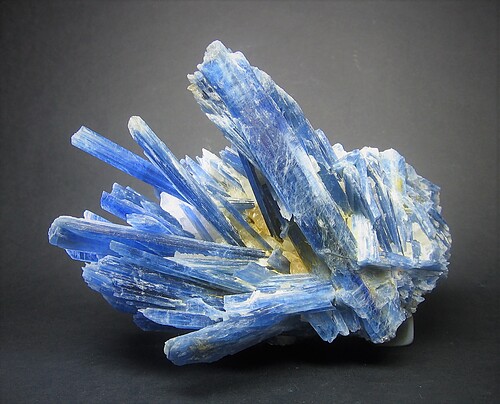
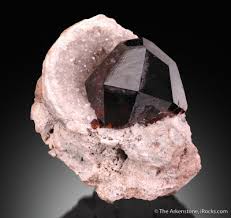
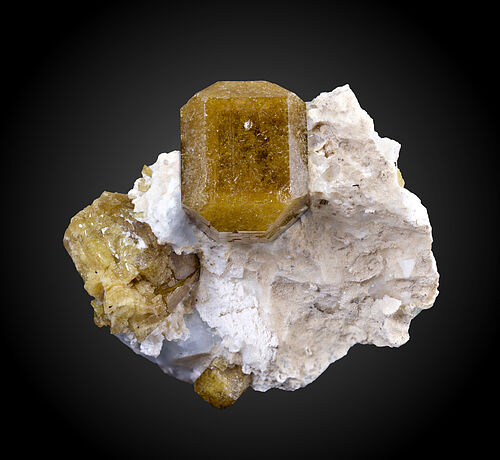
    • Common Minerals: Olivine group, garnet group, kyanite, zircon.
    • Properties: High density, high hardness, and conchoidal fracture.
  1. Sorosilicates (Paired/Group Silicates)
  • Structure: Two tetrahedra are joined by sharing a single oxygen atom, forming a basic double-tetrahedron unit.
  • Ratio: 2:7 (Si2O7)
  • Common Minerals: Epidote group, vesuvianite.
  • Properties: Often exhibit complex chemistry and form prismatic crystals.
  1. Cyclosilicates (Ring Silicates)
  • Structure: Tetrahedra share two oxygens each to form closed, repeating rings. These rings are typically stacked vertically and bound together by other elements.
  • Ratio: 1:3 (Si6O18)
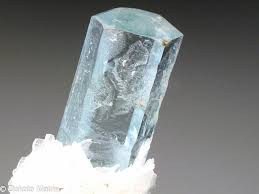
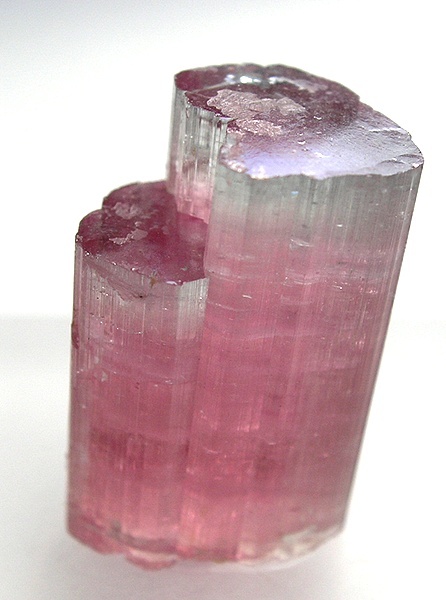
  • Common Minerals: Beryl (including emerald), tourmaline.
  • Properties: Hard, durable minerals often forming distinct hexagonal crystal shapes.
  1. Inosilicates (Chain Silicates)
    • Structure: Tetrahedra share two or three oxygen atoms to form infinite chains.
    • Types & Ratios:
    • Single Chains: Share two oxygens; (1:3) ratio (SiO3) or (Si2O6). (Example: Pyroxene group)
    • Double Chains: Two single chains linked together by sharing alternating oxygens; (4:11) ratio (\(Si4O11). (Example: Amphibole group)
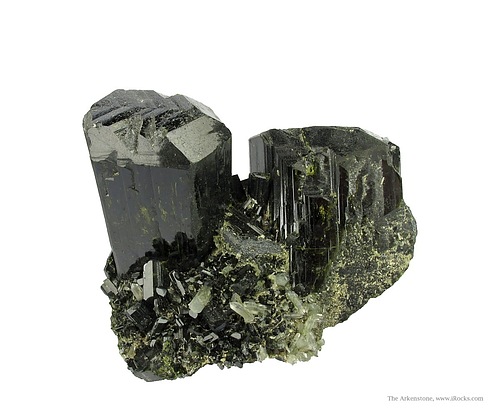
    • Properties: Typically dark-colored, heavy minerals with two prominent directions of cleavage.
  1. Phyllosilicates (Sheet/Layer Silicates)
  • Structure: Three oxygens on each tetrahedron are shared to form vast, infinite two-dimensional flat sheets. These sheets are separated by weakly bonded cations (like potassium) or layers of other elements (like aluminum).
  • Ratio: 2:5 (Si2O5) or (Si4O10)
  • Common Minerals: Mica group (biotite, muscovite), clay minerals, talc, serpentine.
  • Properties: Soft, flexible, and feature one perfect direction of cleavage, allowing them to easily peel into thin flakes.
  1. Tectosilicates (Framework/Network Silicates)
  • Structure: All four oxygen atoms in every single tetrahedron are shared with neighboring tetrahedra. This creates a highly stable, rigid three-dimensional framework.
  • Ratio: 1:2 (SiO2)
  • Common Minerals: Quartz, feldspar group (orthoclase, plagioclase), zeolites.
  • Properties: The most abundant subclass in Earth’s crust, typically light in color, highly resistant to weathering, and possessing high hardness.

Crystallography: Study of Crystal Forms

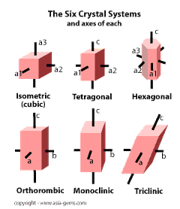
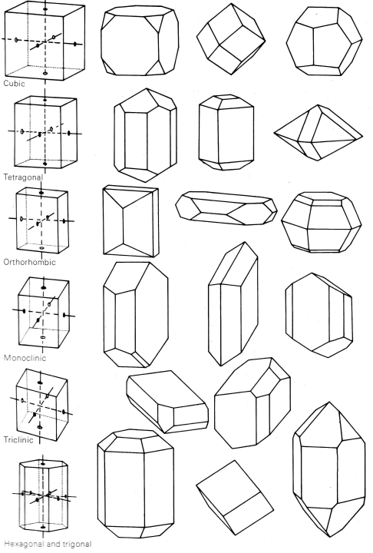
All crystals will fit into one of 7 crystal system although Crystallographers generally consider there are six crystal systems with the Hexagonal system divided into two sub-systems (hexagonal and trigonal) more on this later.

The Six Crystal Systems
  • Cubic (or Isometric): Features the highest symmetry. All three axes are of equal length and intersect at right angles ((a = b = c), (alpha = beta = gamma = 90°). Examples: Diamond, halite (salt), garnet.
  • Tetragonal: Has three axes that intersect at right angles. Two axes are equal in length, while the third is distinctly longer or shorter (a1 = a2 ≠c), (alpha = beta = gamma = 90°). Examples: Zircon, rutile.
  • Orthorhombic: Features three unequal axes that all intersect at right angles (a ≠ b ≠ c), (alpha = beta = gamma = 90°). Examples: Topaz, olivine.
  • Hexagonal: Has four axes. Three equal axes lie in a single horizontal plane at (120°) angles, and the fourth (usually longer or shorter) axis sits perpendicular to that plane (a1 = a2 = a3 ≠ c) Examples: Beryl (emerald), quartz (trigonal sub-system).
  • Monoclinic: Contains three unequal axes. Two axes intersect at right angles, while the third axis is inclined at an oblique angle (a ≠ b ≠ c), (alpha = gamma = 90° ≠ beta).
    • Examples: Gypsum, orthoclase.
  • Triclinic: The system with the lowest symmetry. All three axes are of different lengths and none of them intersect at right angles (a ≠ b ≠ c), (alpha ≠ beta ≠ gamma ≠ 90°).
    • Examples: Plagioclase, turquoise.

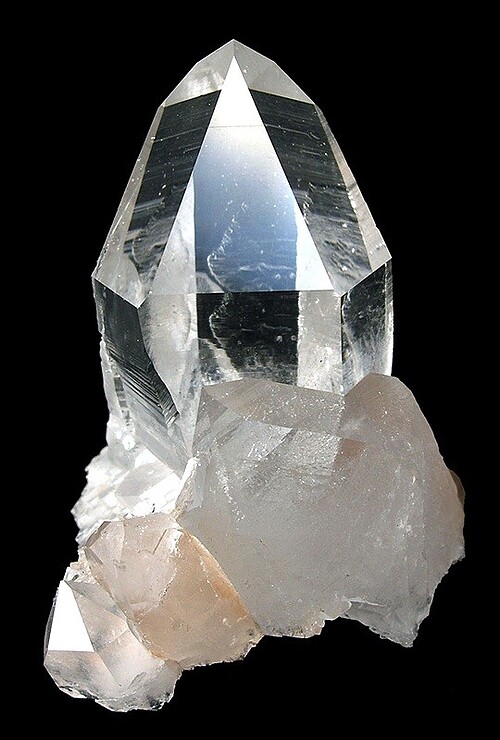
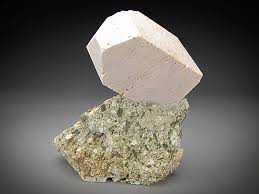
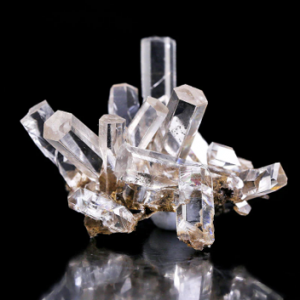
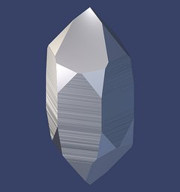
A simplified answer as to why it is reasonable for the trigonal subsystem to be considered part of the hexagonal crystal system. Two common minerals calcite and quartz are in the trigonal subsystem. Quartz is normally found as six sided prismatic crystals and therefor easy to see as hexagonal. Calcite was the mineral around which the trigonal (rhombahedral) system was developed. Calcite is commonly found as scalenohedrons (dogtooth calcite) and not so easy to see as hexagonal but calcite can also be found as hexagonal crystals such as this one. So lets think of it as six crystal systems rather than what is commonly shown on the internet.

Calcite cluster

Twinning

Twinning in crystals is a complex topic and an understanding of the crystal systems will help in understanding this topic. To simplify things we will look at contact, penetration and repeated twinning.

Contact twinning

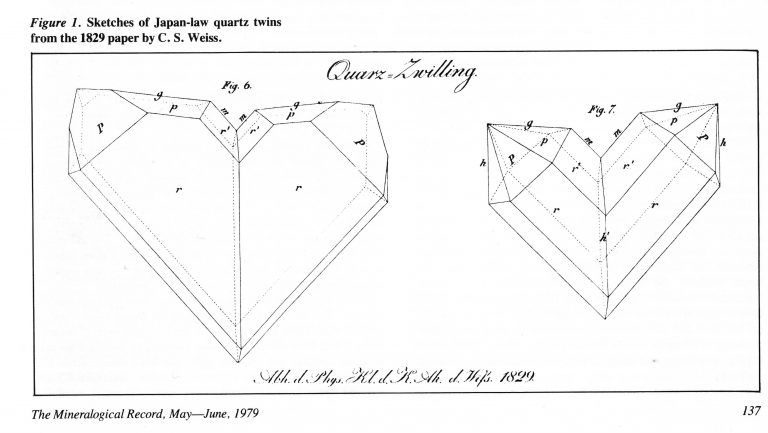
When two crystals are grown together at a specific angle or crystal surface. A great example of this is contact twinning in quartz producing what are known as Japan Law twins. The two crystals are contacted at an angle of 84°30’ although it might appear as 90° they are not. The crystals typically become flattened when but this is not a requirement for a twin. If the angle is anything different than 84°30’ then the crystals are simply joined together and not twinned.

Contact Twinning

Penetration Twinning

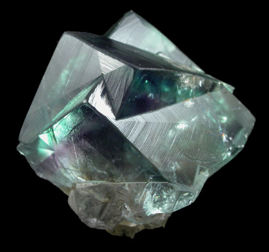
This is where two or more crystals interpenetrate at different angles and appear to cross through each other. Fluorite is a good example of a mineral that exhibits this type of twinning.

Two interpenetrating Fluorite cubes from China.

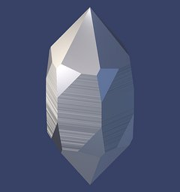
Quartz also exhibits penetration twinning and will form Dauphine and Brazil law twins. See the www.quartzpage.de for a detailed explanation on twinning in quartz and everything you want to know about quartz!

Dauphine Law Twin
Brazil Law Twin

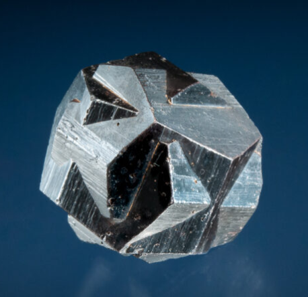
There is only one type of twinning in Pyrite and that is two interpenetrating pyritohedrons forming what is known as an iron cross.

Pyrite iron cross twin from Columbia

Repeated Twinning

Repeated can form in various ways one results in a parallel pattern such as seen in albite or cyclic twinning as seen in rutile, aragonite, chrysoberyl and cerussite.

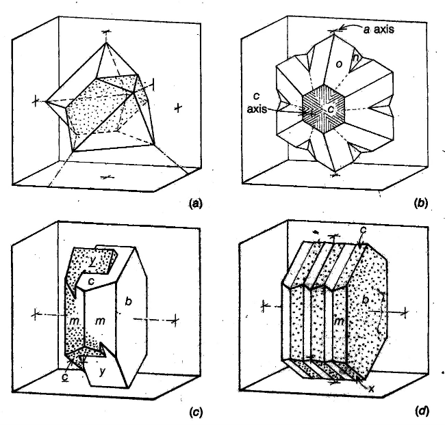
 The following diagram shows good images of the various types of twinning.

Twinned crystals. (a) Simple contact twin (spinel), (b) Multiple (cyclic) twins (chrysoberyl), (c) Penetration twin (orthoclase Carlsbad twin), (d) Polysynthetic twinning (albite twinning in plagioclase).

Mineral Properties (Identification)

The Physical properties of minerals are useful for identification along the crystal habit if the minerals are crystallized.

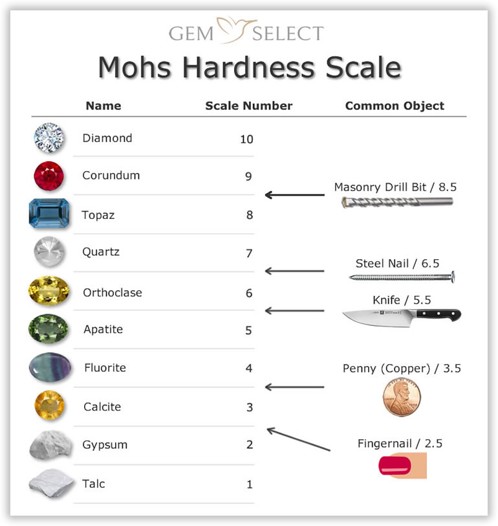
The first property we will look at is hardness. Commonly the Mohs hardness scale is used as a measure of relative hardness of minerals. The hardest mineral being diamond which can scratch anything to the softest talc which can be scratched by all other minerals.

Density:

This can be a useful property for identifying many minerals. Density is the measurement of how heavy a mineral is relative to the same volume of water and this is called Specific gravity. Quartz has an SG of 2.8 so it is 2.8 times heavier than water. Magnetite has an SG of 5.17 so is much heavier than quartz.

Gold SG is 19.3 which enables it to be easily separated from most minerals.

Cleavage and Fracture:

These properties are also very beneficial in identifying minerals.

Cleavage is related to the molecular structure of the minerals and some minerals have the ability to break along flat planes. Mica is obvious in that it breaks into sheets. Fluorite has 4 directions of perfect cleavage which permits the making of octahedrons from crystallized fluorite. Calcite has 3 directions of perfect cleavage which enables the formation of rhombs from crystals.

Fracture is the way a mineral breaks other than along cleavage planes and it defined as:

  • Conchoidal: Breaks along smooth, curved surfaces with concentric ripples, closely resembling freshly broken glass (e.g., quartz, obsidian).
  • Hackly: Breaks with sharp, jagged, and uneven edges that resemble torn metal (e.g., native copper or silver).
  • Splintery: Breaks into elongated, fibrous splinters or threads, much like a piece of broken wood (e.g., asbestos, jadeite).
  • Uneven: Breaks leaving a rough, irregular surface that lacks any distinct pattern (e.g., most common minerals).
  • Earthy: Breaks with a crumbly, dusty texture, similar to dry soil (e.g., limonite)

Optical Properties:

Transparency; Transparent (gem quartz), translucent (agate), opaque (jasper)

Reflection and Refraction; Not so useful in the field but refraction (refractive index) is important for faceting

Lustre; Metallic (most sulphides), Adamantine (diamond), Resinous (Amber, Sphalerite), Vitreous (Quartz, broken glass), Greasy (Opal, Graphite), Pearly (Gypsum), Silky (Asbestos), Earthy (Limonite)

Colour: Colour is not necessarily a diagnostic feature as many minerals such as fluorite can be any colour.

Streak: The colour of the powdered mineral rubbed on a unglazed porcelain plate. Good for hematite.

Fluorescence: the property of minerals to emit visible light when hit with Ultaviolet light. Fluorite (purple), Opal (can be green), Sodalite (orange)

Other properties:

Electric: Quartz and some silicate minerals have piezoelectric properties

Magnetism: Iron minerals such as magnetite are attracted to magnets, Lodestone can be a magnet.

Radioactive: Minerals containing Uranium, Thorium, … are radioactive and can be found using a scintillometer.
References

Dana’s Textbook of Mineralogy, Fourth Edition by W.E. Ford

The Hamlyn Guide to Minerals, Rocks and Fossils, W.R. Hamilton, A.R. Woolley, A.C. Bishop

Wikipedia

www.Mindat.org

Crystal shapes | Earth Sciences Museum | University of Waterloo

www.gemselect.com